
Linear business model + Ground breaking company = Oxymoron of the 21st century?
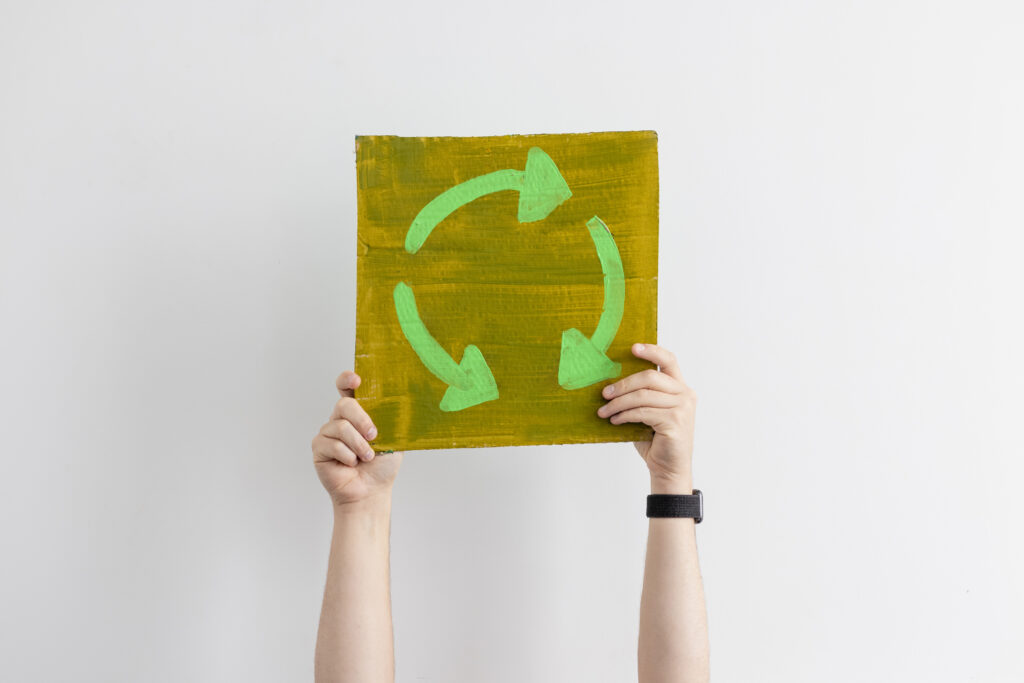
Source Raw Materials —> Make Product —> Sell Product —>End.
If this model describes the brands and the products you buy and cherish, it may be time to pause, reflect and frankly, expect more! As a first step, let’s assess business priorities with a more ‘corporate’ lens.
Let’s assume there are 3 teams in an organization – all deployed on projects of similar scale, complexity and duration.
Financial performance chart
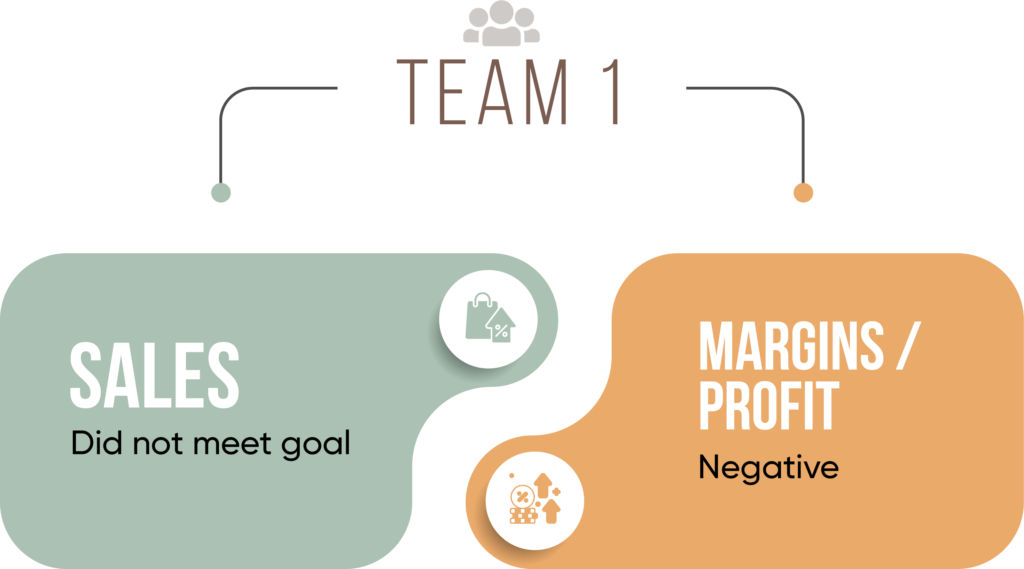
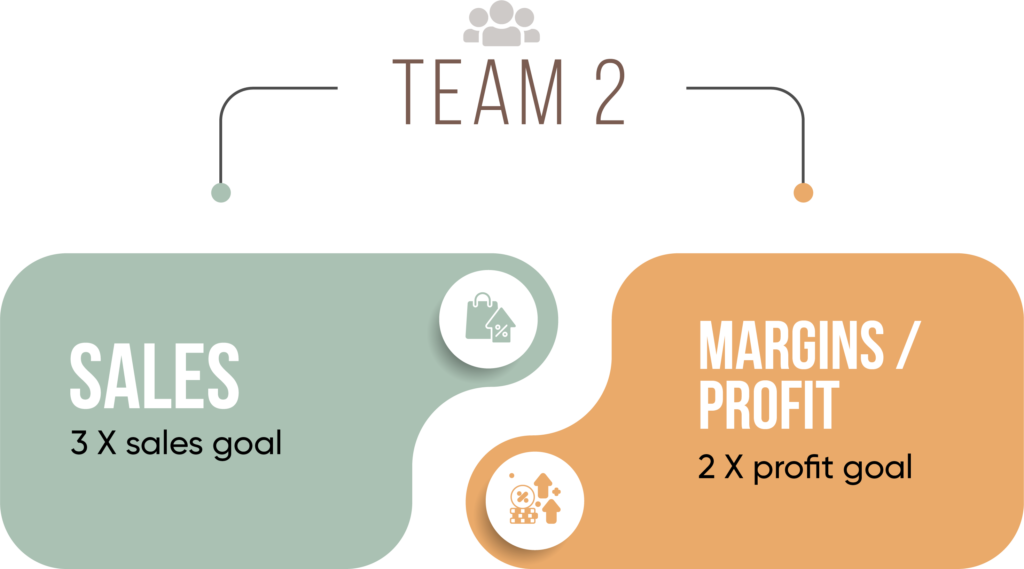
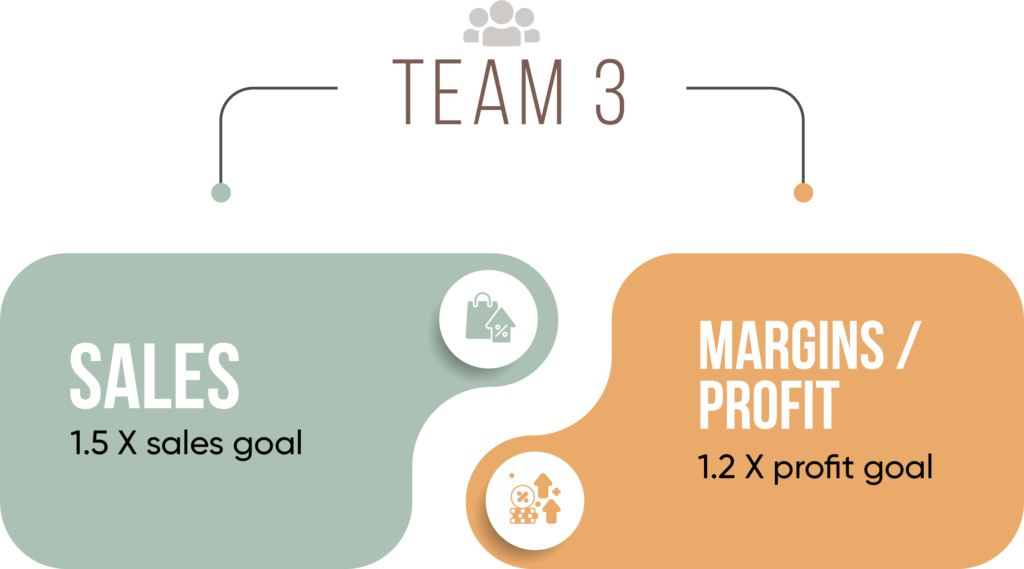
Team #2 outperformed at year end compared to team 1 and 3.With 3X revenue goals, 2X profit goals – what a year for this team! It is time to promote the leader of team #2 with a sizable performance bonus. Wouldn’t you agree? But before we bring out the champagne and make a company- wide promotion announcement, it may be time to look at the facts. A closer inspection.
Operational performance chart
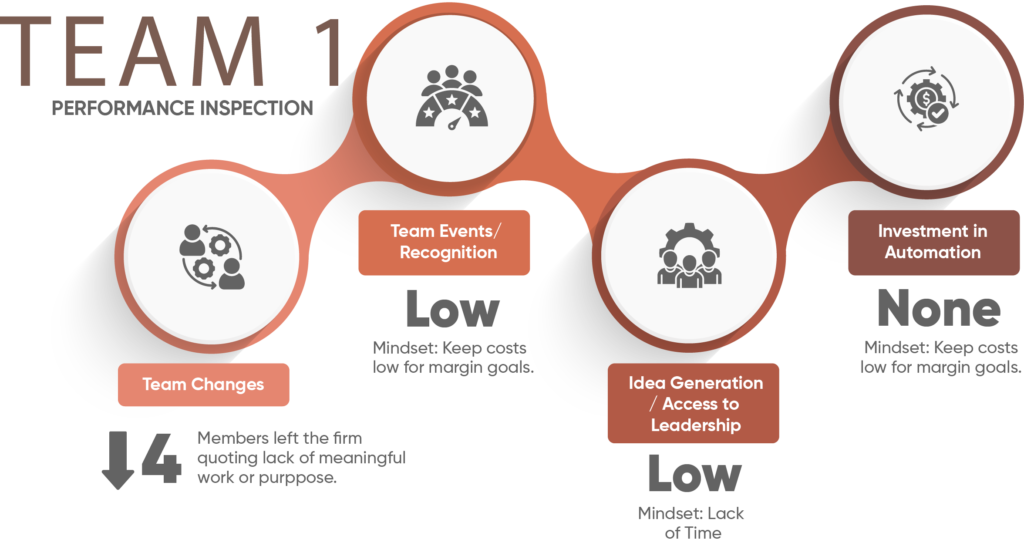
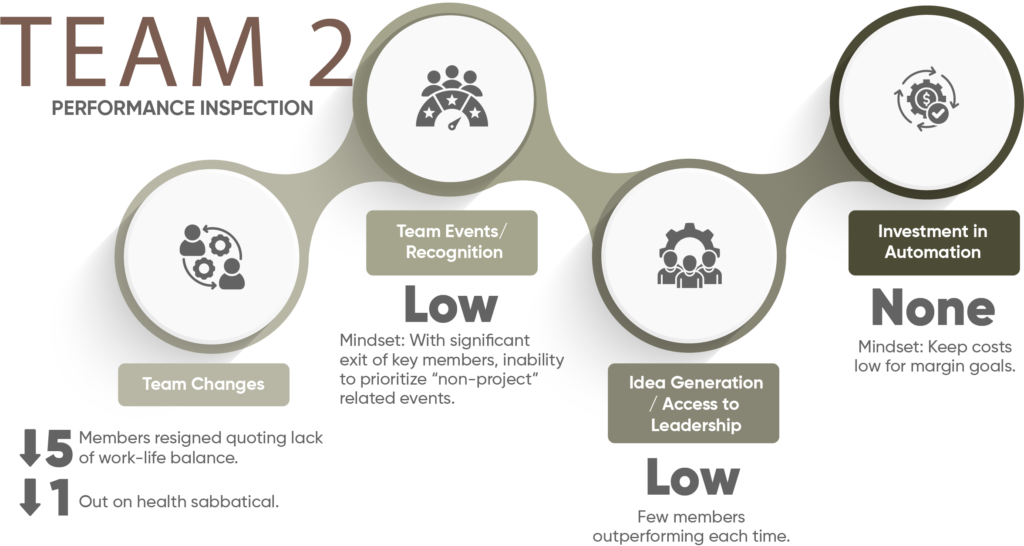
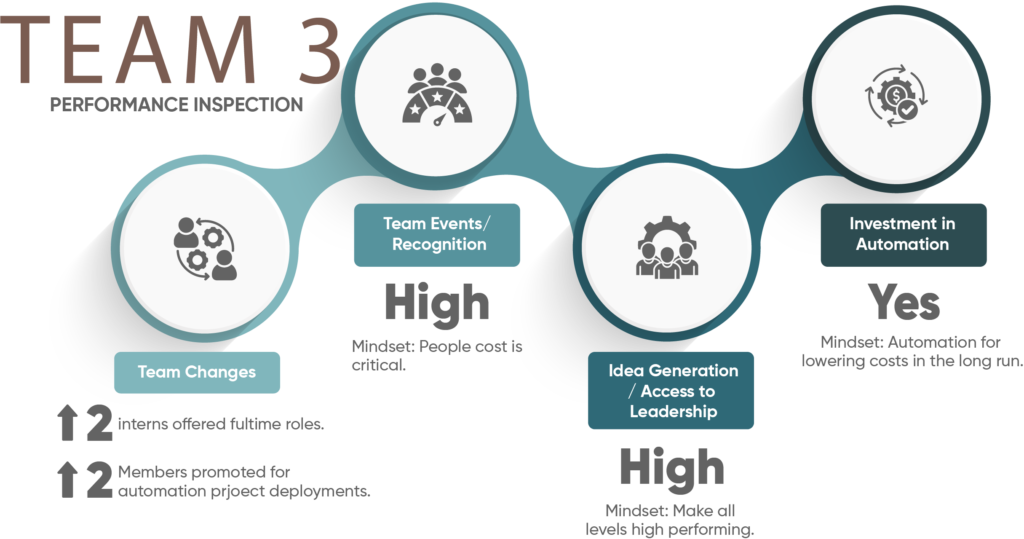
With these added facts, one might say that the leader of team #3 had a more wholistic success. Yes, the financial performance is not on par with team #2 in this year – but they were consciously building the foundation for a more sustained and wholistic growth through their people and automation. This could lead to a bigger financial success /market share for the organization in the coming years. But we never play the long game.
Now let’s draw the parity.
We reward the shortcuts; we applaud the quick results. We overlook the bigger picture. The short game mind-set often hinders the possibility of a circular economy.
To build a circular business model, it requires the review and alteration of traditional business models, assessing product materials and making key partnerships that stems from common mutual goals. In prioritizing quick financial gains, teams, brands and companies forget the vision and compromise on people or products or both. You, as the customer are only shown the quick win success stories. We need to shift this narrative to view brands and products with a more wholistic, long game approach.
Many companies or unicorns that make and sell tangible physical products demonstrate their innovative nature. But do they truly love the products they make if they are indifferent to it once sold? Linear business models for tangible physical products should become outdated. If companies are allowed to keep their business models limited to the point of sale, they will always take the path of team 2. That is, the path to quick success – use that sweat shop in China, use that cheap raw material and work the team as hard as possible because their incentive and only measurement is sales and financial growth.
As a new business owner myself, I fully comprehend that for any business to survive, sales and margins are key. But I can also tell you that we (at Mud Patch) love the products we make. They are natural and certified organic. They are biodegradable with no plastics. But we do not stop there. We do not want to see our products add further stress to landfills. We do not want to see scraps diminishing the beauty of a clean community. Our key objective is therefore to collect our products after they have been used to provide a ‘new lease on life’ for as many products as possible. We strongly believe this should be the norm in any industry.
Trevor Noah (the famous TV, news and media icon) on an interview quotes his travel experience in Japan where he was forced to “hold on” to his trash and be responsible for its disposal. He went on to reflect that this made him much more aware of the trash he was generating. The same holds good with any company that has a circular business model. For instance, given that we at Mud Patch are owning responsibility for our Mud Patch products after use – we are conscious of the original raw materials we use whilst keeping our supply in control.
One might argue that companies and brands pay handsome taxes to governments and it is the agencies of the government that should tackle recycling or hire new startup recycling firms. While this view is justified, the reality is that if we decouple ‘after-use responsibilities’ from brands, these businesses will have no accountability and can use any shortcuts in terms of product quality, safety and even continue to oversupply to an excessive consuming market. It always becomes “someone else’s problem” to solve.
In our view, brands and companies that offer physical or tangible products to its customers should now extend their responsibility to –
- Guide their customers on what should be done with their products AFTER use
- Assess what aspects of the used products could be recovered in their product ecosystem
- Provide quality products that extend usability (use and throw products should become outdated)
The United Nations quotes that by 2050, we will need the resources of 3 planets to sustain our current lifestyle – so to ensure quality living in the coming decades we need to learn, evaluate and modify our current consumption today – starting with expecting a circular model from the brands we shop!
From the creators of Mud Patch.